Gurman: iOS 18 AI features to be powered by ‘entirely on-device’ LLM, offering privacy and speed benefits



One of the best features of the Apple TV is its robust collection of Aerial screen savers. When your Apple TV sits idle for a few minutes, tvOS switches to these soothing Aerial videos while it awaits your return.
YouTube, however, thinks you’d rather see random slideshows of images and video thumbnails instead…
Expand Expanding Close
Listen to a recap of the top stories of the day from 9to5Mac. 9to5Mac Daily is available on iTunes and Apple’s Podcasts app, Stitcher, TuneIn, Google Play, or through our dedicated RSS feed for Overcast and other podcast players.
Sponsored by Roborock: Get a special deal on the S8 MaxV Ultra Robot Vac & S8 Max Ultra with free gifts for a limited time.

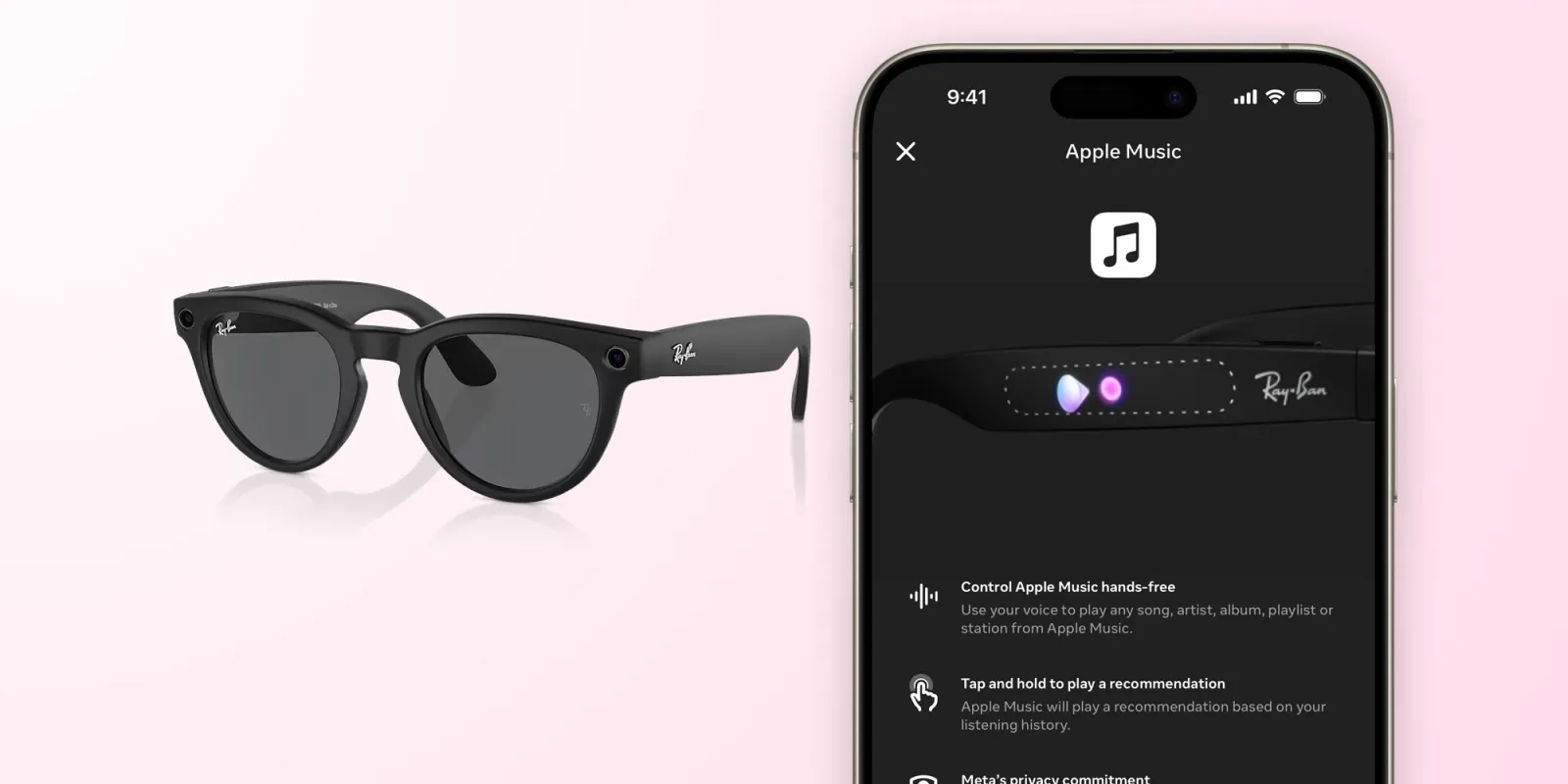
It’s been a while since Meta launched its own smart glasses in partnership with Ray-Ban, and I’ve already written about them here on 9to5Mac. Now those who own Ray-Ban Meta can enjoy deeper integration with Apple Music thanks to Meta’s latest update.
Expand Expanding Close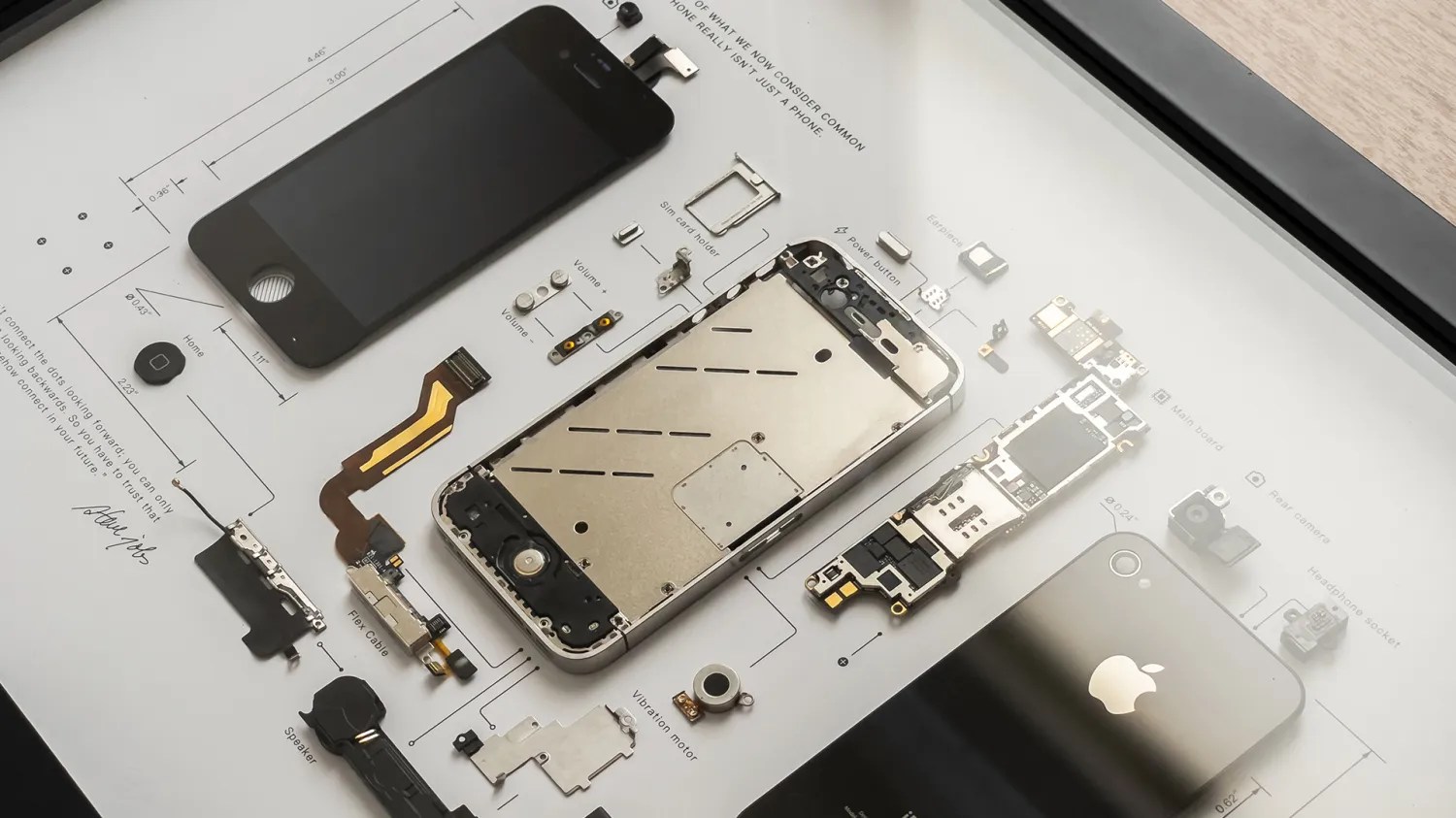
Our friends at GRID Studio are running an Earth Day sale this week with some impressive discounts on their iconic deconstructed wall art. The Grid 4, for example, showcases a deconstructed iPhone 4 and is available for just $99 (down from $170).
Expand Expanding Close
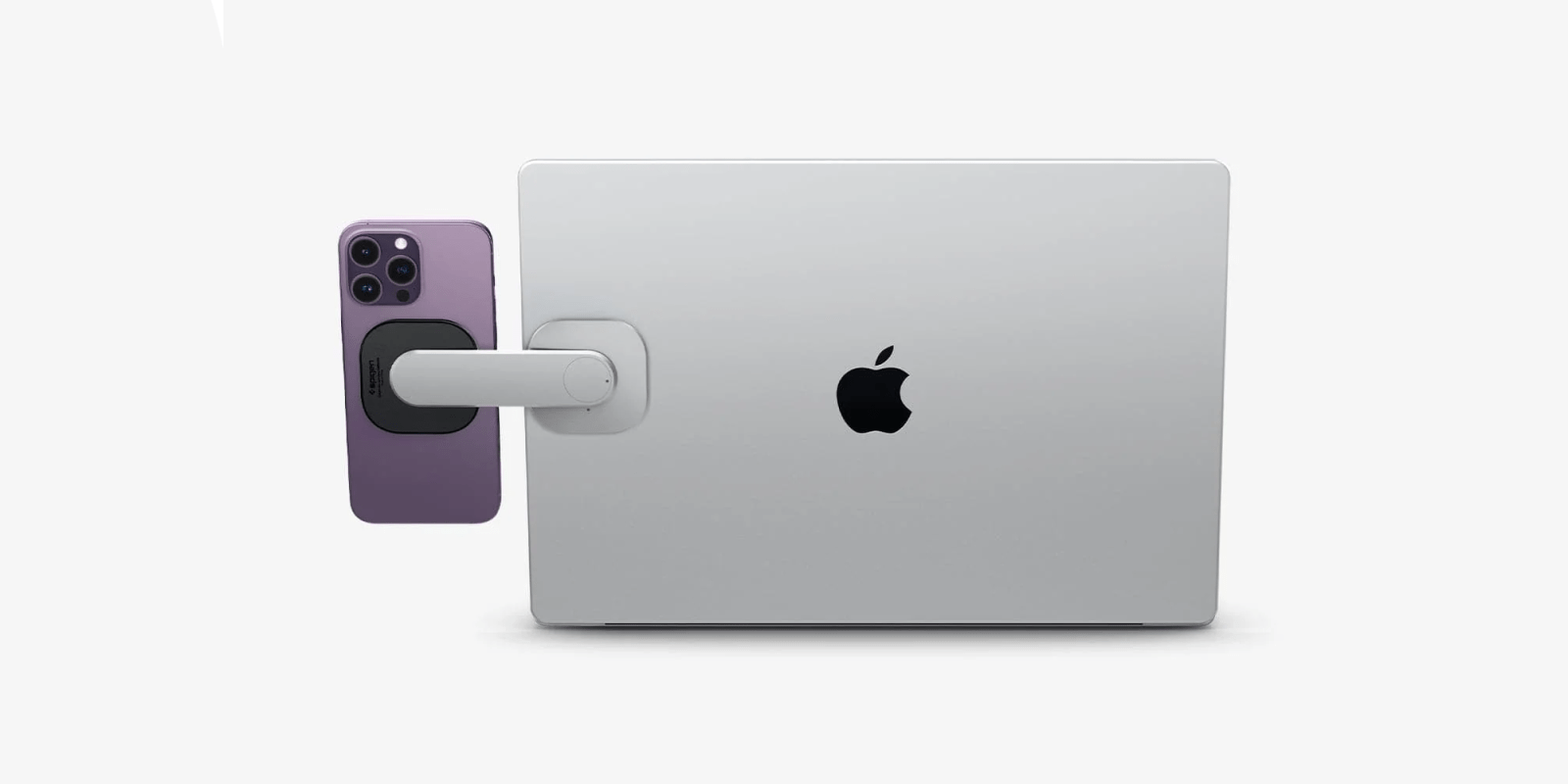
MagSafe accessories continue to be where a lot of the innovation around the iPhone tames place. The ability to snap your iPhone into place unlocks a lot of fun use cases. This week, I am taking a look at the Spigen S312 OneTap that’s designed to keep your iPhone connected to your Mac for quick phone calls, Zoom calls, and much more.
Expand Expanding Close

Proton is out with the latest upgrade for its users on a paid tier. Dark web monitoring is here to help you keep your online credentials as safe as possible with alerts when you need to update passwords due to data breaches and more. Here’s how it works.
Expand Expanding Close
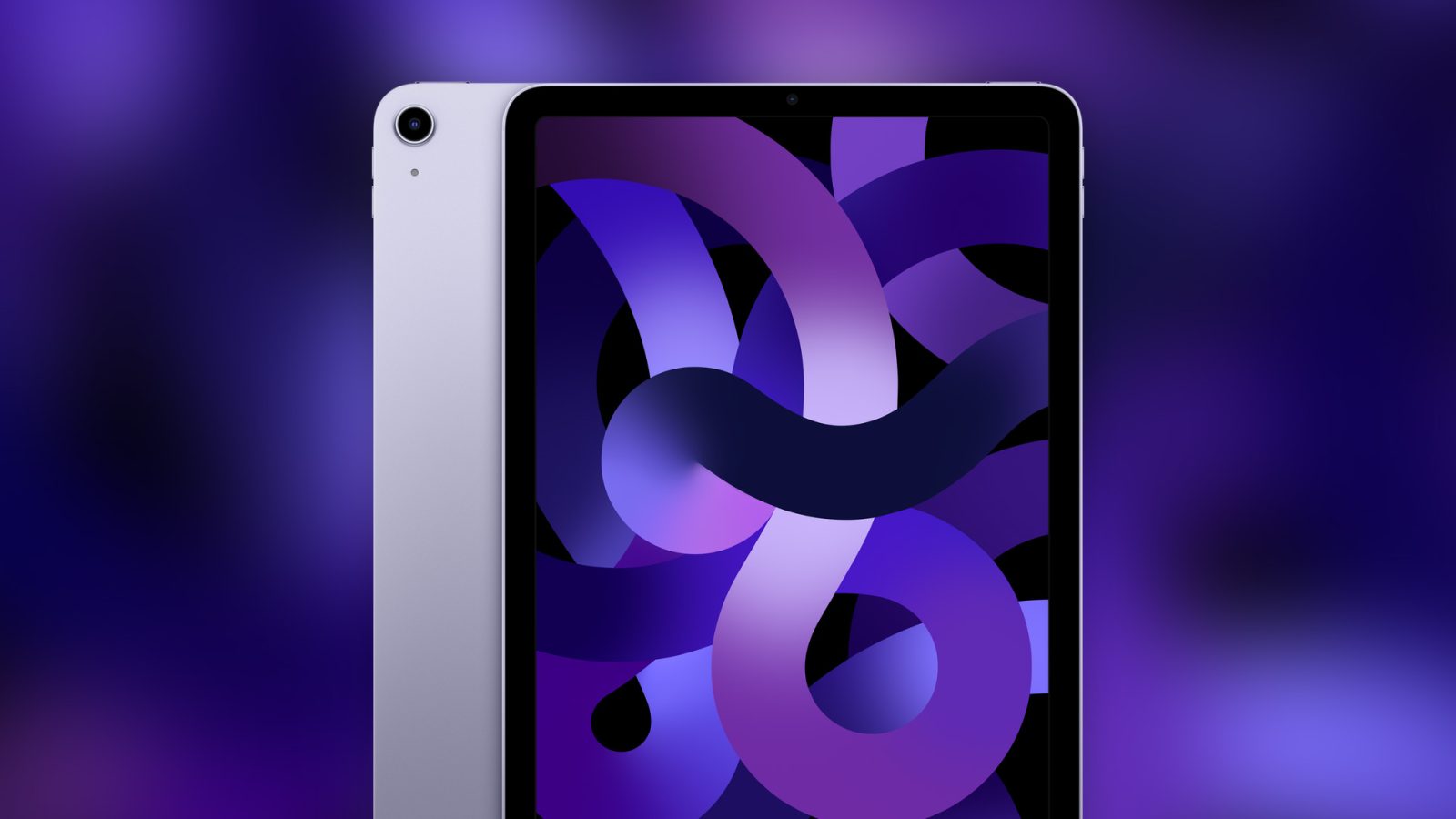
In addition to a new iPad Pro lineup, there’s also a new iPad Air on the way this year. In fact, this could be the biggest update to the iPad Air lineup ever, with Apple planning a big-screen model for the very first time.
Here are five things to expect from the new iPad Air lineup…
Expand Expanding Close
Apple is doubling down on soccer as an integral part of its sports strategy for Apple TV. According to a new report from The New York Times, FIFA is nearing a deal with Apple for the worldwide television rights to a new World Cup-style tournament being played in the United States next year.
Expand Expanding Close
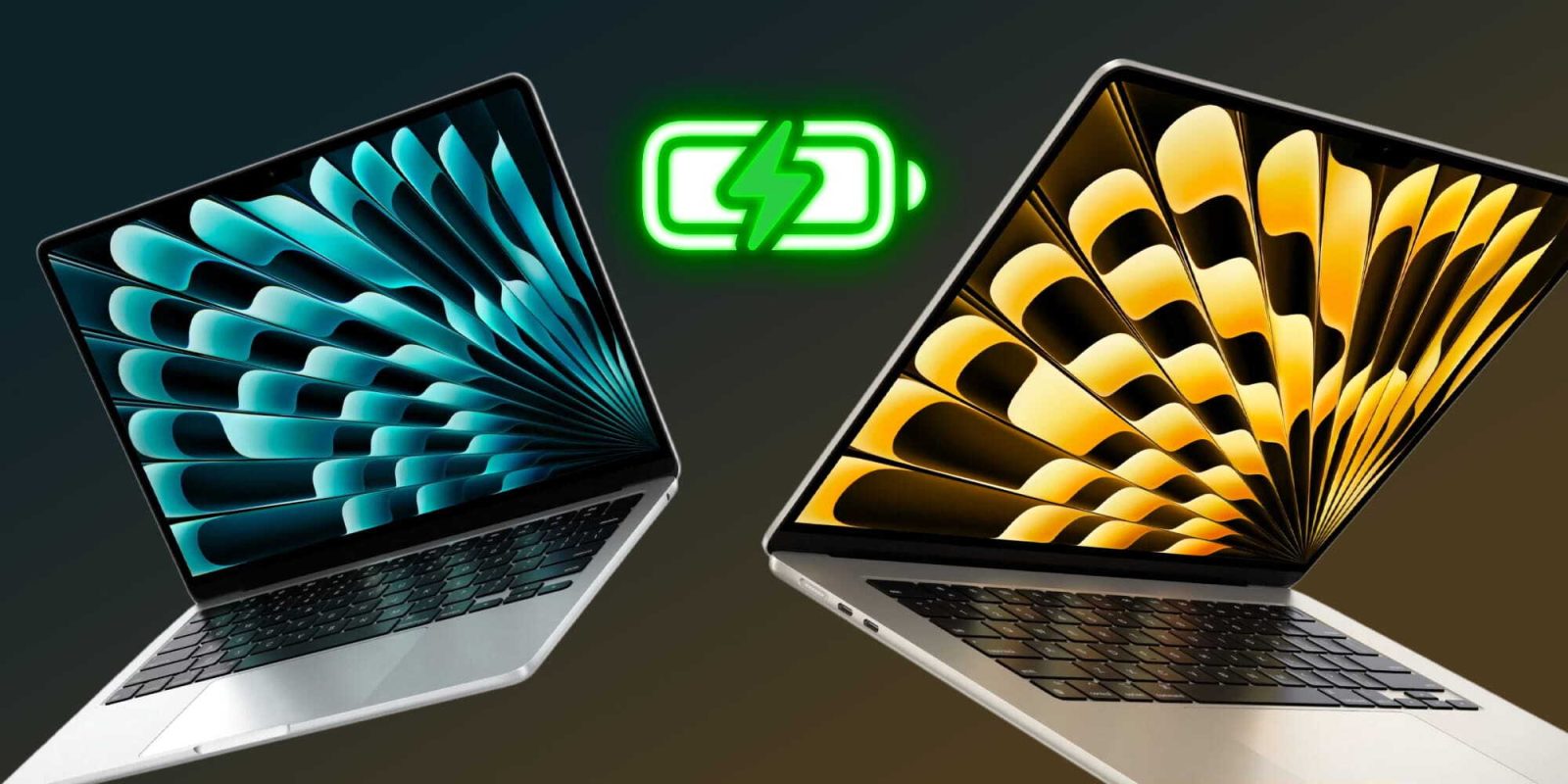
Like the modern MacBook Pro laptops, Apple’s latest MacBook Air models support fast charging which can give up to 50% battery in as little as 30 minutes. However, by default, both sizes of the Air ship with a charger that doesn’t support the feature. Here are the requirements and details for how to fast charge MacBook Air.
Expand Expanding Close
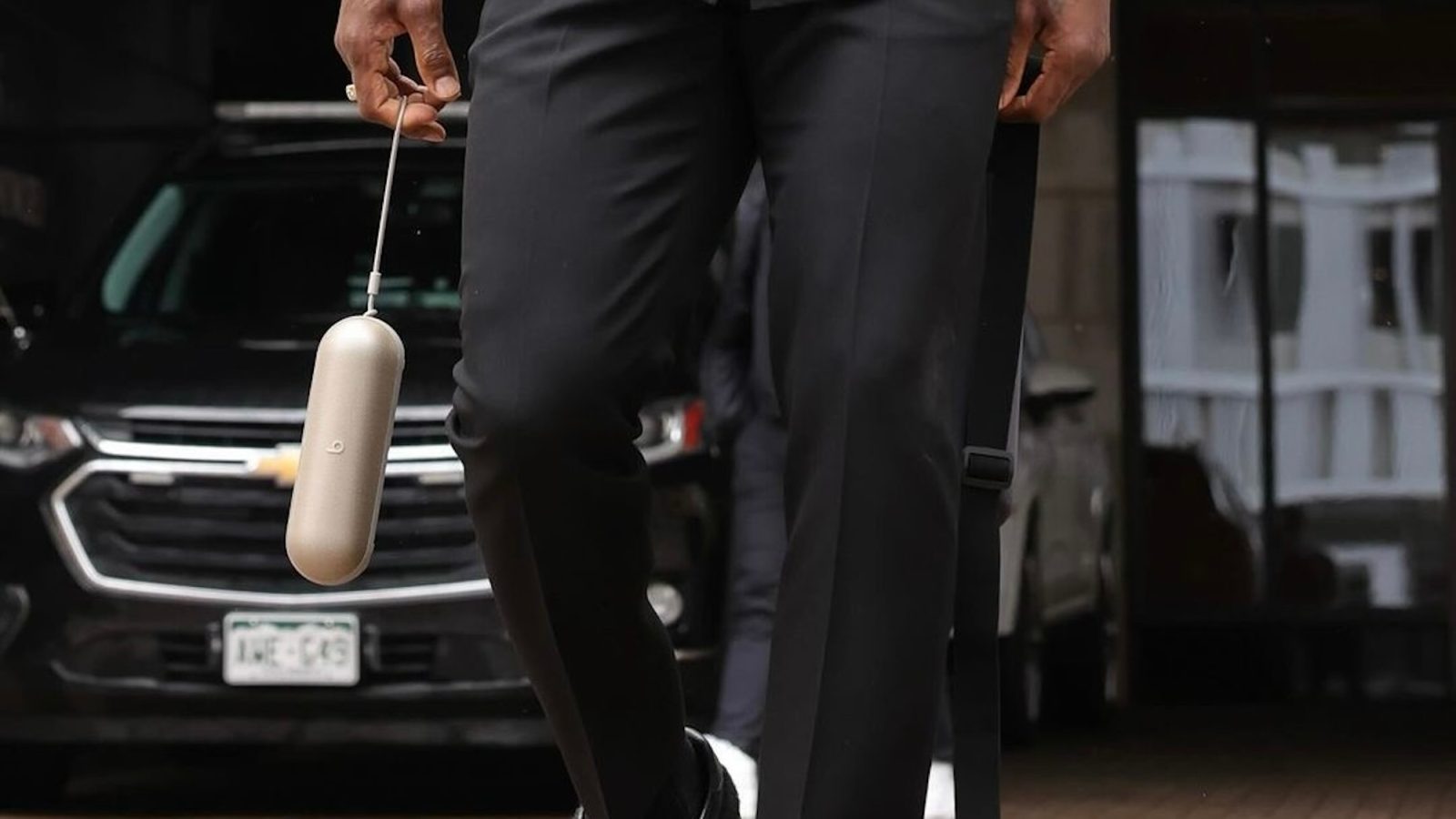
Back in January 2022, Apple discontinued the years-old Beats Pill+ without announcing a replacement of any sort. It looks like that could be about to change, at least based on a teaser this week.
Expand Expanding Close
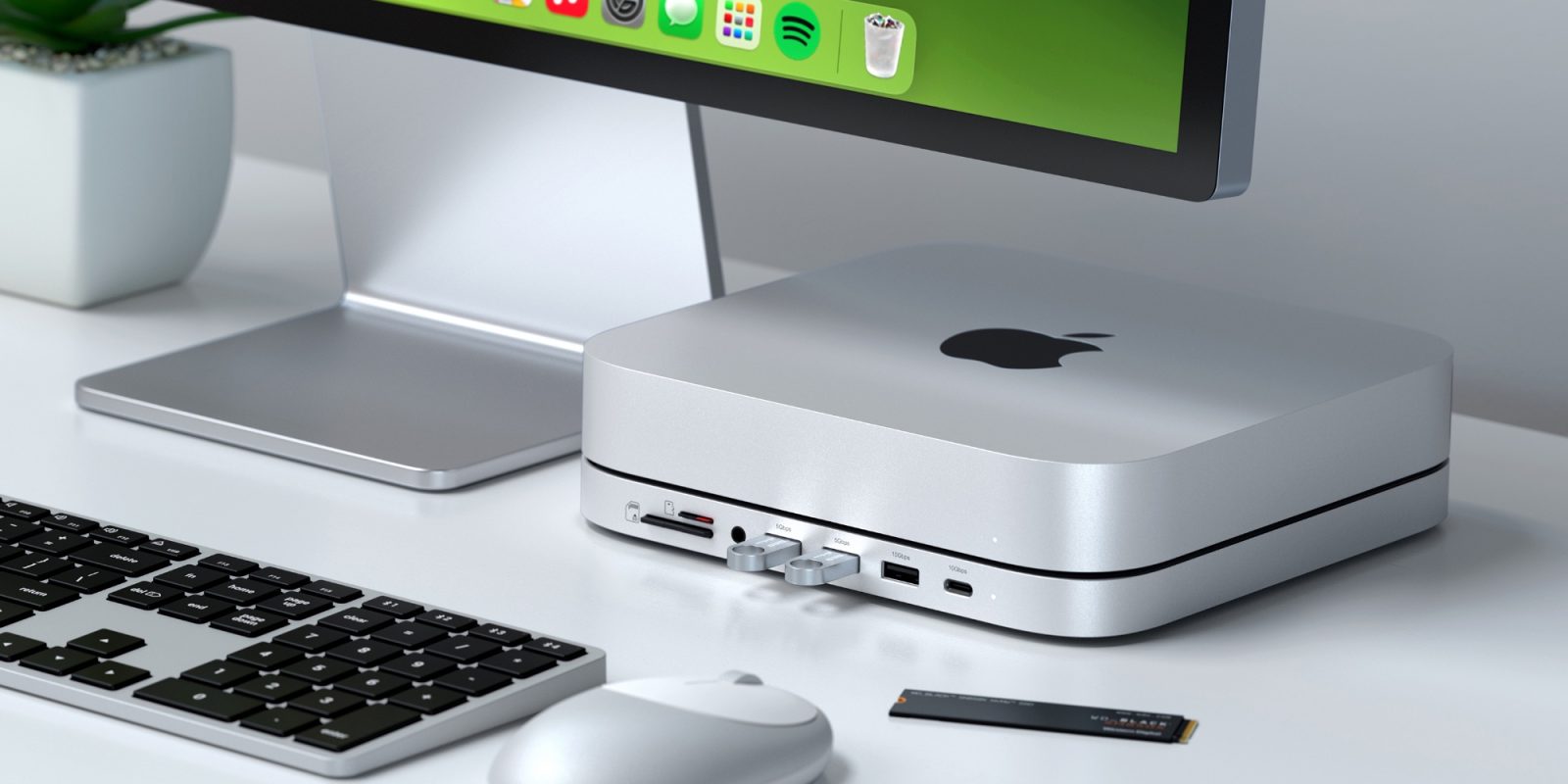
Monday’s best deals kick off with Apple’s latest Mac mini starting from $499. The perfect companion discounts are also live, dropping Satechi’s Stand and Hub for Mac mini which was just updated with an NVME SSD slot to $90 alongside Samsung’s 27-inch ViewFinity S9 5K Thunderbolt Monitor at $700 off. Hit the jump for all that and more in the latest 9to5Toys Lunch Break.
Expand Expanding Close

Apple has reportedly acquired Datakalab, a Paris, France-based startup specializing in artificial intelligence compression and computer vision technology. According to French business magazine Challenges, the acquisition was finalized in December.
Datakalab described itself as “experts in low power, runtime efficient, and deep learning algorithms” that work on device.
Expand Expanding Close

Rumors that Apple is hoping to switch a future iPhone model from physical to capacitive buttons persist. Now, a new supply chain report suggests that Apple has placed a supply chain order for a new capacitive button system that will replace the physical buttons on the iPhone 16.
Expand Expanding Close
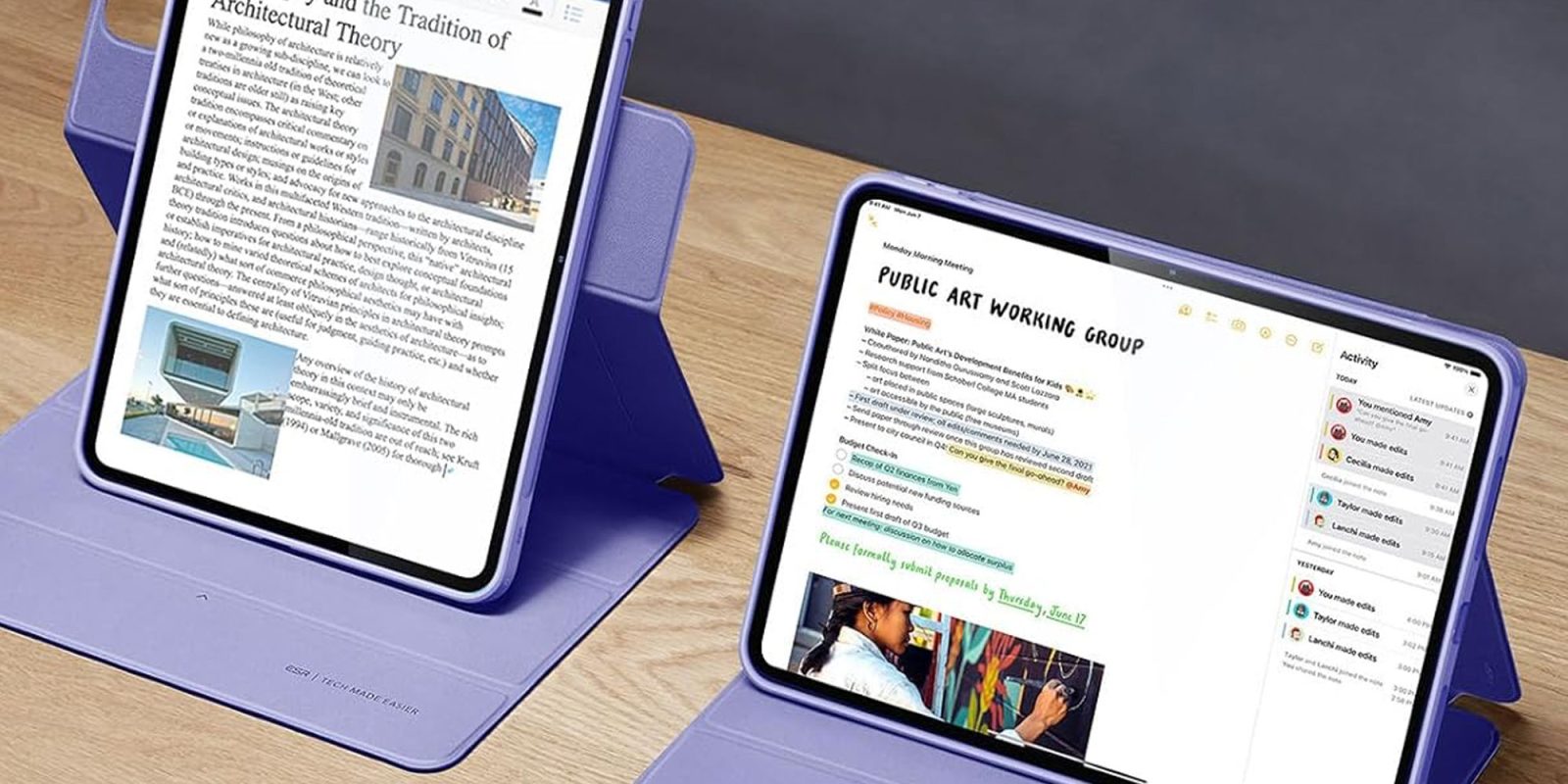
There have been many rumors about the launch of new iPads soon given that it has been over a year since Apple last updated its tablet lineup. As the company is rumored to introduce a larger iPad Air for the first time, accessory makers are already selling cases for the yet-to-be-released 12.9-inch iPad Air.
Expand Expanding Close
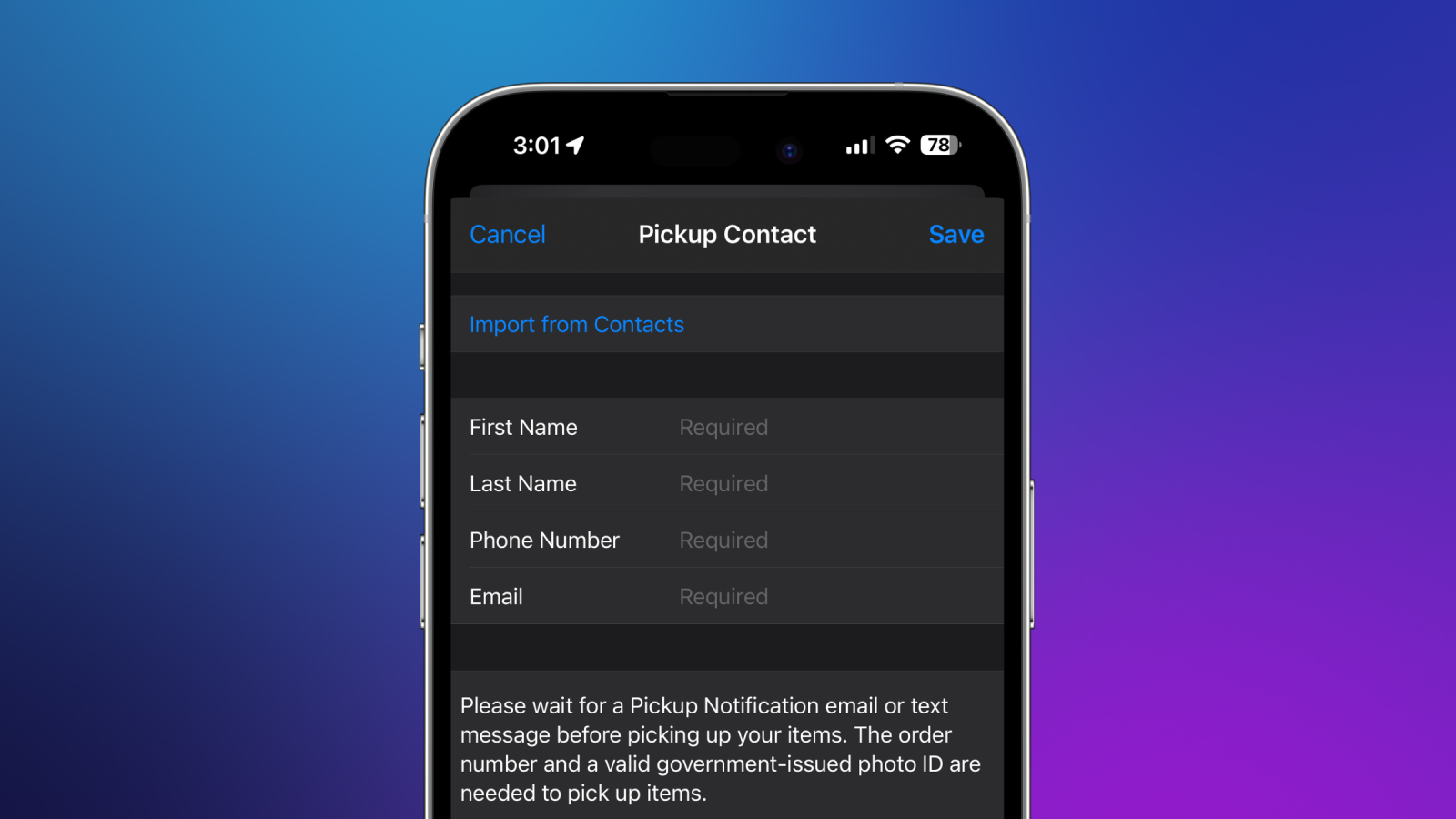
At this year’s annual hacking conference, Black Hat Asia, a team of security researchers revealed how cybercriminals are sneakily using stolen credit cards and Apple Store Online’s ‘Someone else will pick it up’ option in a scheme that has stolen over $400,000 in just two years.
9to5Mac Security Bite is exclusively brought to you by Mosyle, the only Apple Unified Platform. Making Apple devices work-ready and enterprise-safe is all we do. Our unique integrated approach to management and security combines state-of-the-art Apple-specific security solutions for fully automated Hardening & Compliance, Next Generation EDR, AI-powered Zero Trust, and exclusive Privilege Management with the most powerful and modern Apple MDM on the market. The result is a totally automated Apple Unified Platform currently trusted by over 45,000 organizations to make millions of Apple devices work-ready with no effort and at an affordable cost. Request your EXTENDED TRIAL today and understand why Mosyle is everything you need to work with Apple.

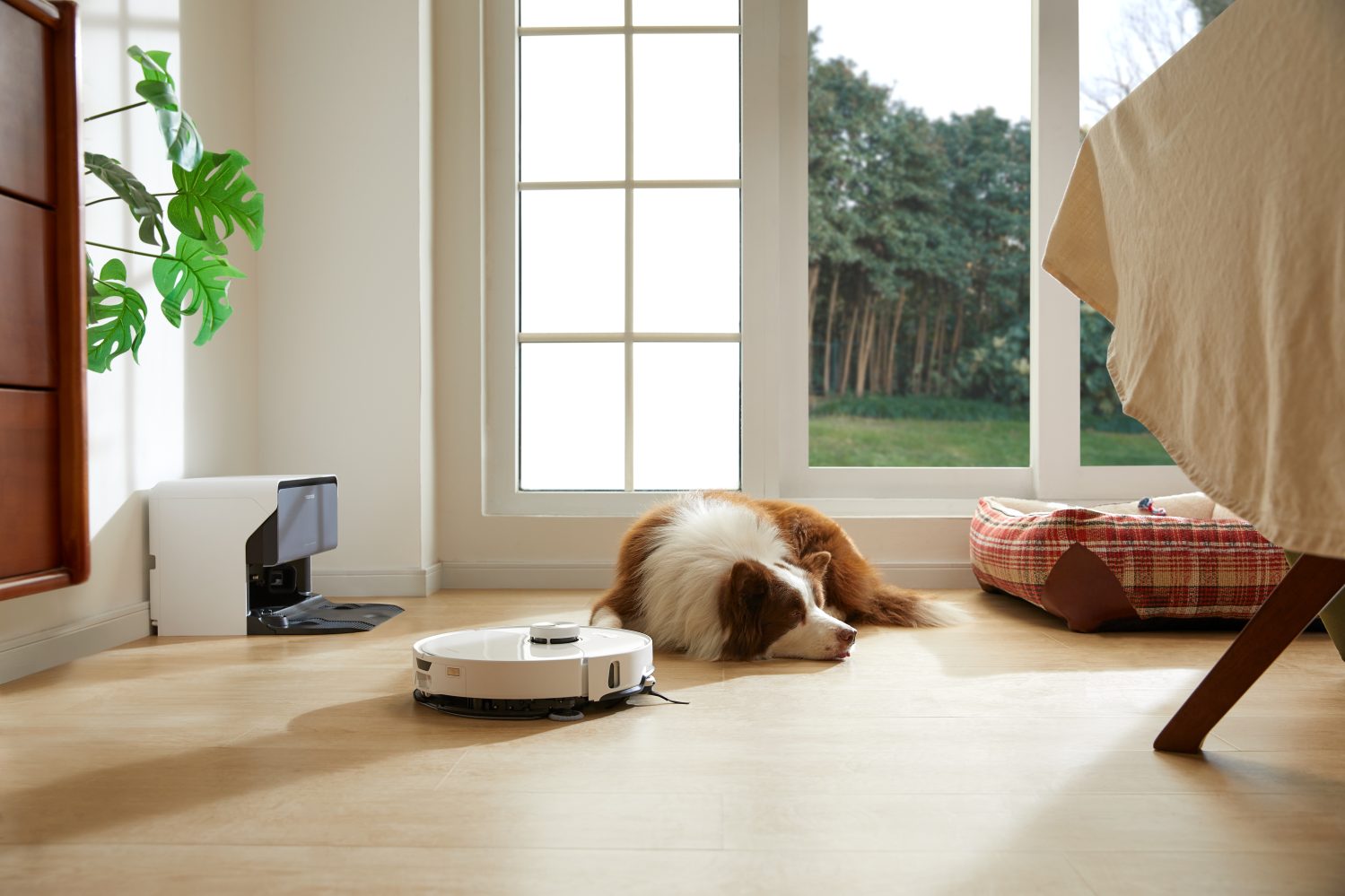
If you have kids, pets, or simply want the luxury of immaculately clean floors without having to do the work yourself, then look no farther than Roborock’s next-gen S8 MaxV Ultra – the industry’s most technologically advanced robot mop and vacuum system. It’s no surprise Roborock has recently taken the number one spot for robotic vacuum sales worldwide of any brand. Designed to revolutionize the way you clean your home, it comes fully decked with enhanced suction power, advanced robotic intelligence, and an innovative self-maintenance feature with heated washing and drying and dirt detection. A true tech marvel in the home cleaning space.
Expand Expanding Close
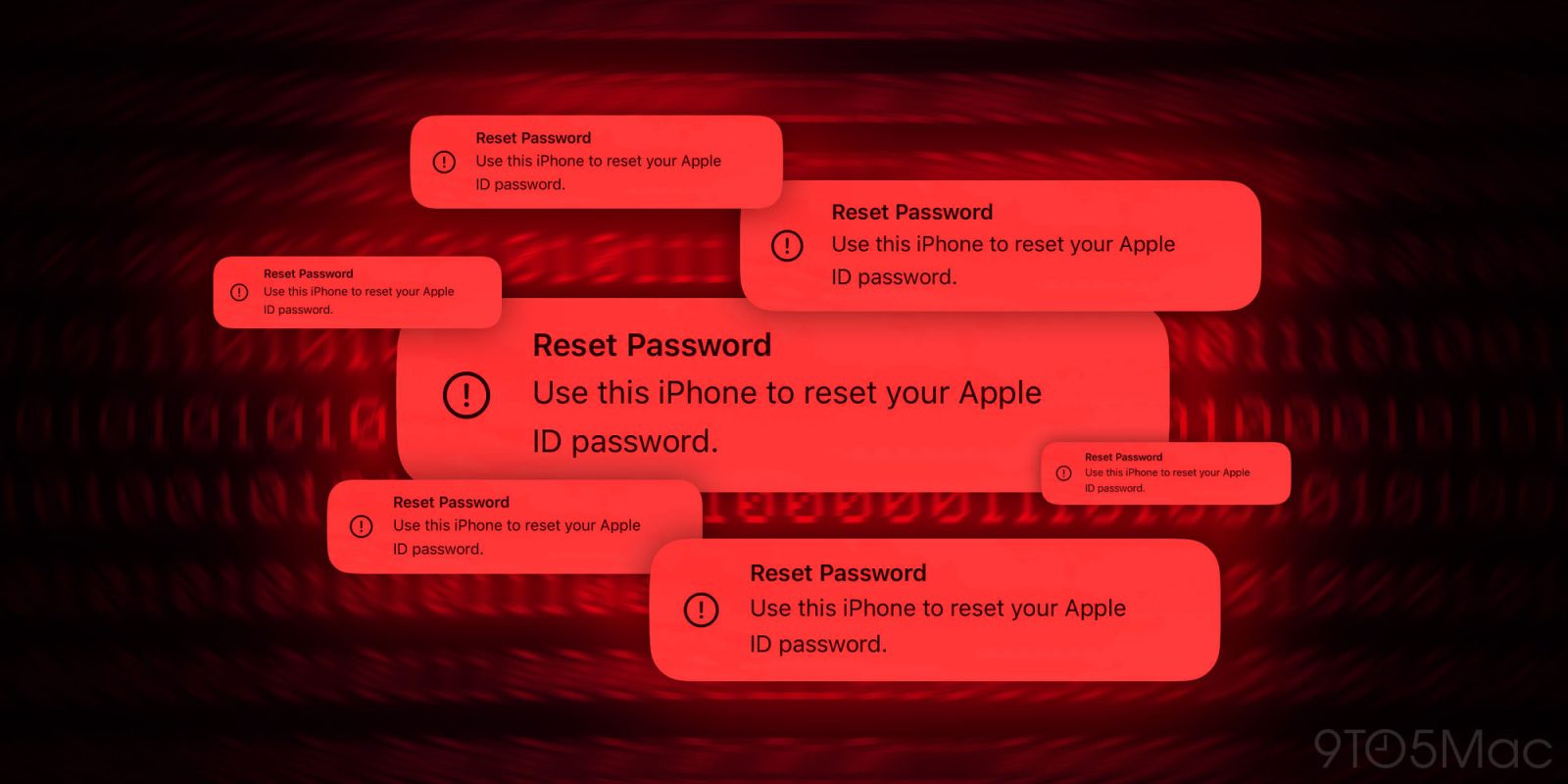
One of the latest attacks on iPhone sees malicious parties abuse the Apple ID password reset system to inundate users with iOS prompts to take over their accounts. Here’s how you can protect against iPhone password reset attacks (often called “MFA bombing”).
Expand Expanding Close
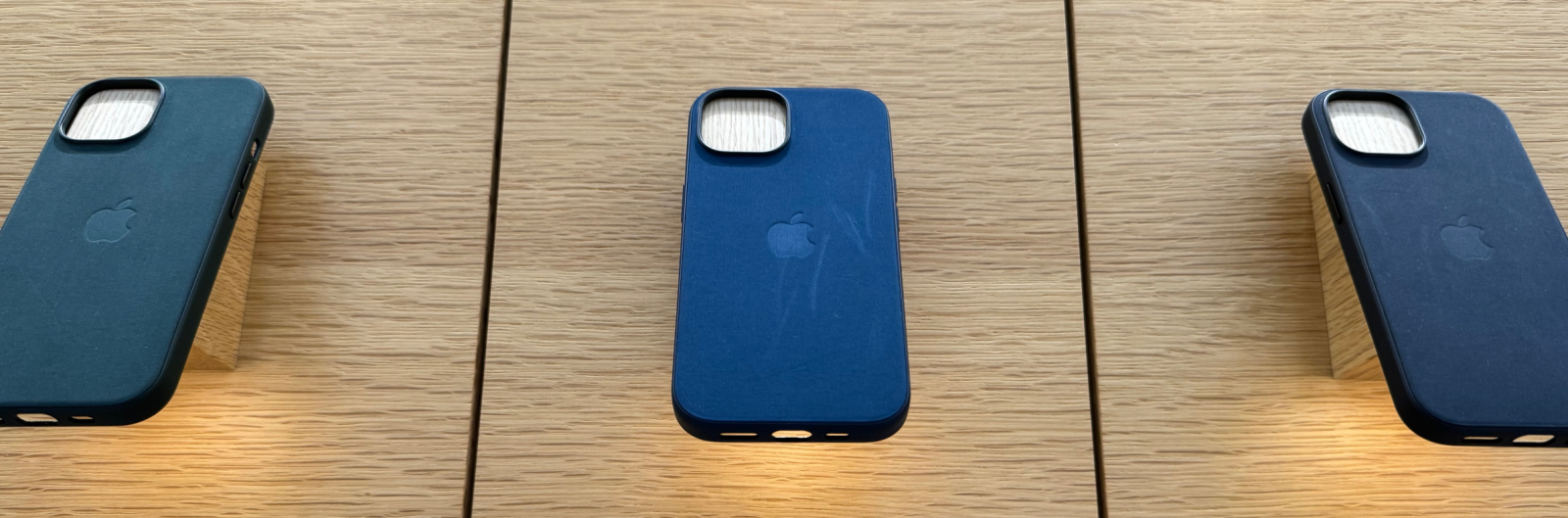
Apple launched its range of FineWoven iPhone cases and Apple Watch bands last fall to much fanfare, as an environmentally-friendly alternative to the leather accessories. However, buyers quickly complained the material was prone to attracting dirt, scuffs and other durability issues. FineWoven also simply felt far less premium than the leather lineup it replaced, albeit Apple charging the same prices.
According to Twitter leaker Kosutami, Apple is giving up on the effort and the production lines for FineWoven are being shuttered. The company will probably try again with a different leather alternative option, like Alcantara.
Expand Expanding Close
As indicated by much of the research material Apple has been publishing in recent months, the company is investing heavily in all sorts of artificial intelligence technologies. Apple will announce its AI strategy in June at WWDC, as part of iOS 18 and its other new OS versions.
In the latest Power On newsletter, Mark Gurman says to expect the new iPhone AI features to be powered entirely by an offline, on-device, large language model developed by Apple. You can expect Apple will tout the privacy and speed benefits of this approach.
Expand Expanding Close
Apple recently changed its policy to allow game emulators on the App Store. Delta, one of the essential emulation apps, skyrocketed to the top of the App Store overnight. Another popular emulator called DolphiniOS, however, is still facing a policy road block.
Expand Expanding Close
Jeff and Fernando talk about AltStore launching in the EU, the Delta Nintendo Emulator officially arriving in the App Store, iOS 17.5 beta changes and features, the upcoming 12.9-inch iPad Air with mini LED display, iPad Magic Keyboard conjecture, flying with Apple Vision Pro, and NAB 2024. It’s a jam-packed, fun-filled show, don’t miss it!
Expand Expanding Close
Apple @ Work is exclusively brought to you by Mosyle, the only Apple Unified Platform. Mosyle is the only solution that integrates in a single professional-grade platform all the solutions necessary to seamlessly and automatically deploy, manage & protect Apple devices at work. Over 45,000 organizations trust Mosyle to make millions of Apple devices work-ready with no effort and at an affordable cost. Request your EXTENDED TRIAL today and understand why Mosyle is everything you need to work with Apple.
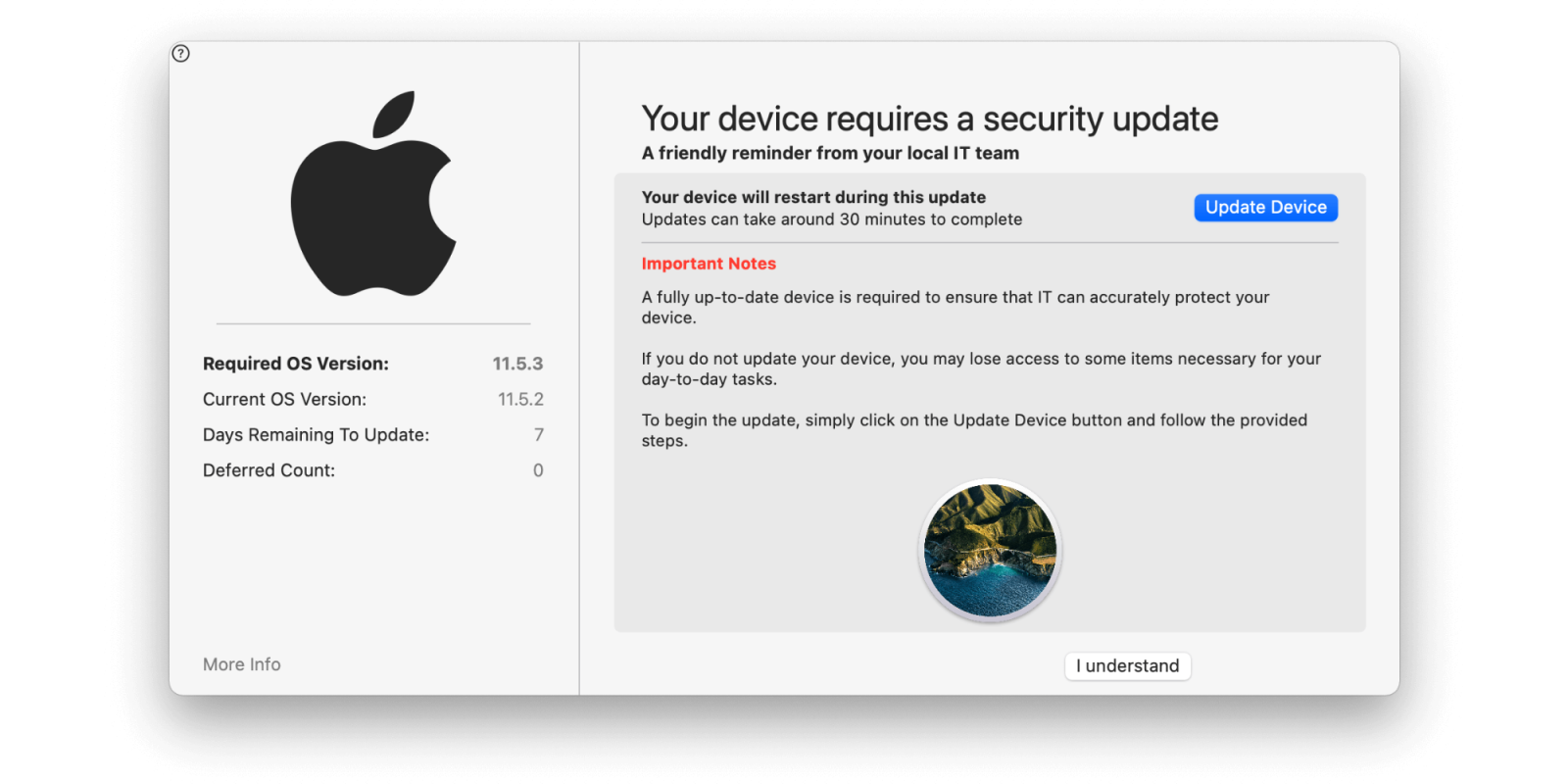
Security concerns keep every IT professional up at night. Even for Apple admins, you’re just one zero-day exploit away from a nightmare. Equally concerning is having your fleet out of compliance with their organization’s IT policies for macOS updates. Hundreds of organizations use Nudge to keep their Macs up to date, and it’s one of the most underrated macOS admin tools available.
Expand Expanding Close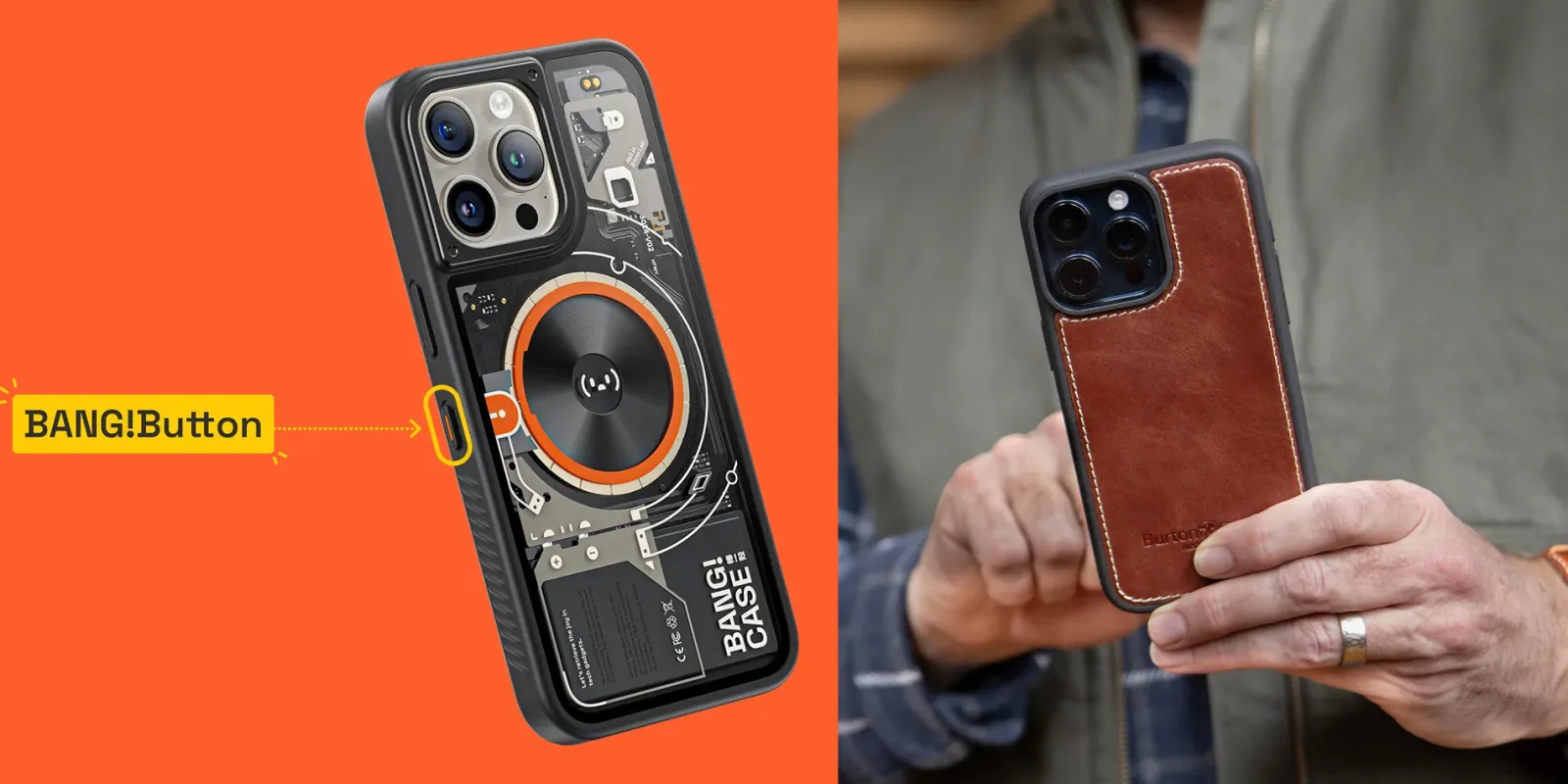

Our latest roundup of the best iPhone 15 cases is now ready to move into 2024 with all of the newest releases. While the FineWoven covers certainly weren’t as popular as Apple would have hoped, there are plenty of notable options from other brands stepping up to offer everything from thin minimalism to luxurious genuine leather and everything in between. We have now updated this roundup with some new brands as well as additional releases that have cropped up over the last month or so. Head below for a closer look at the best iPhone 15 cases for 2024.
Expand Expanding Close
Listen to a recap of the top stories of the day from 9to5Mac. 9to5Mac Daily is available on iTunes and Apple’s Podcasts app, Stitcher, TuneIn, Google Play, or through our dedicated RSS feed for Overcast and other podcast players.
Sponsored by Kolide by 1Password: The device trust solution that ensures that if a device isn’t secure, it can’t access your apps. Close the Zero Trust access gap for Okta. Watch the demo.